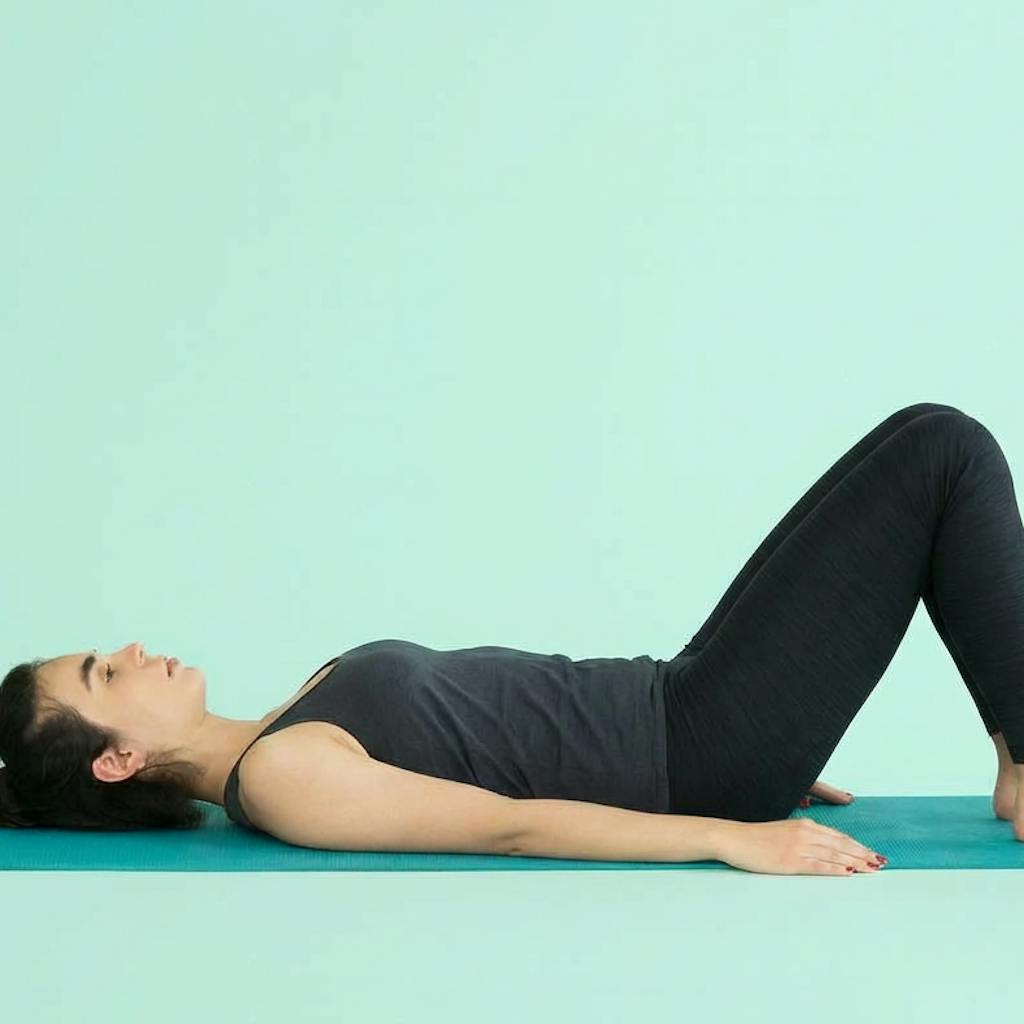
Lie on your back with knees bent and feet placed hip-width apart on the mat. Rest your arms alongside your body with palms facing down.
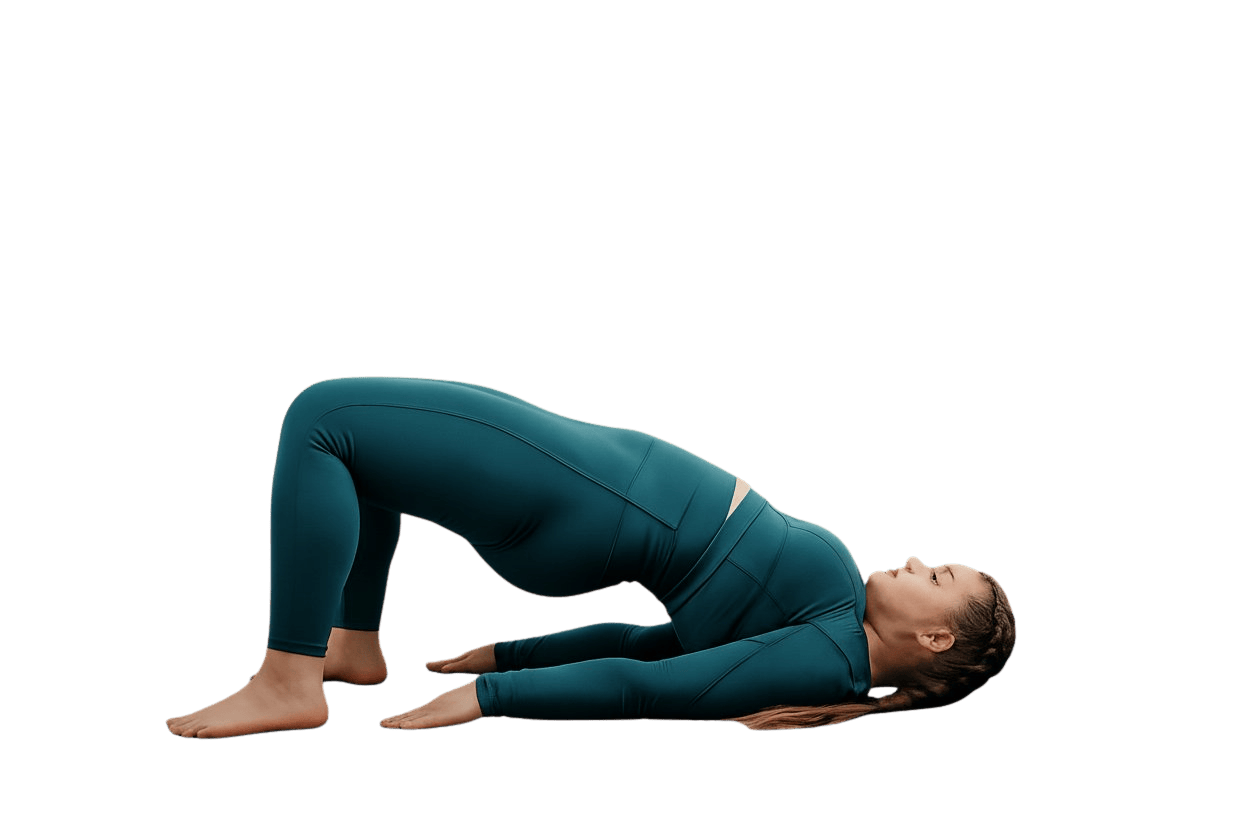
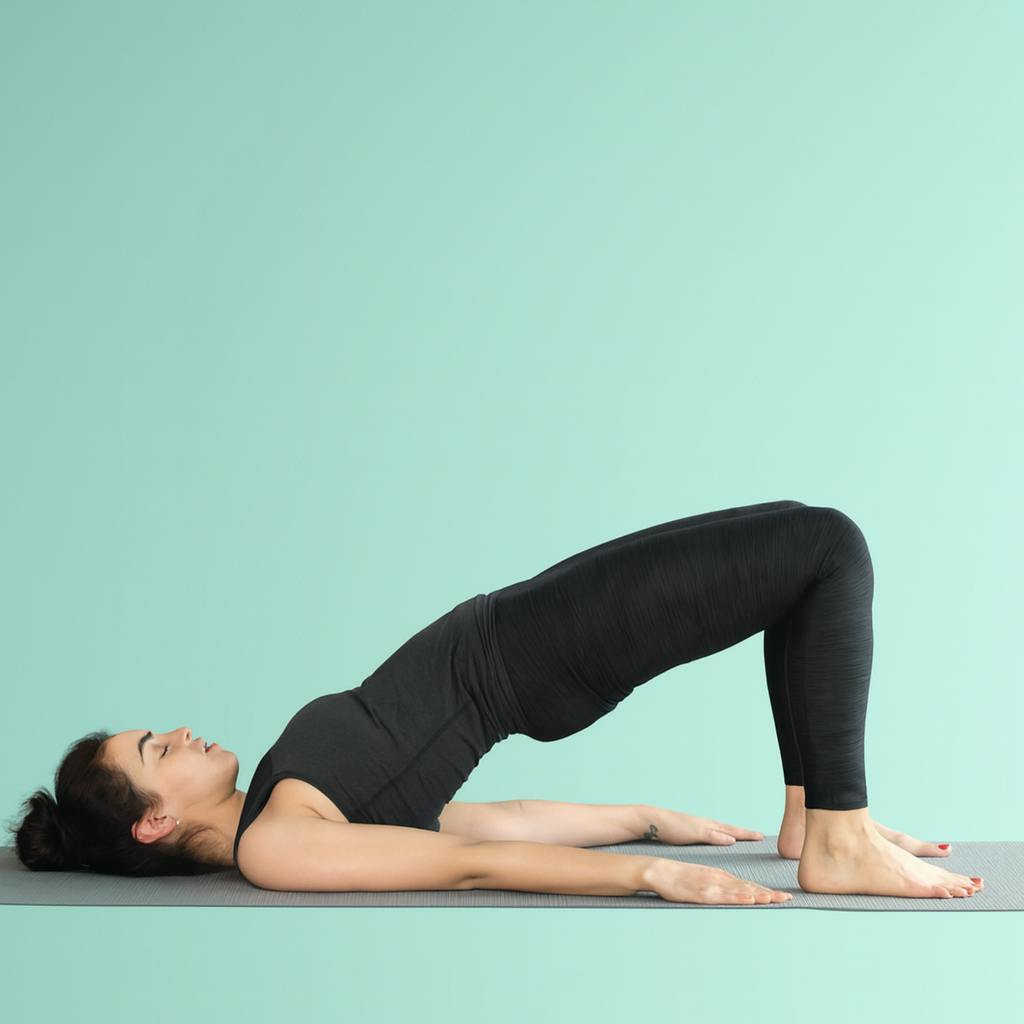
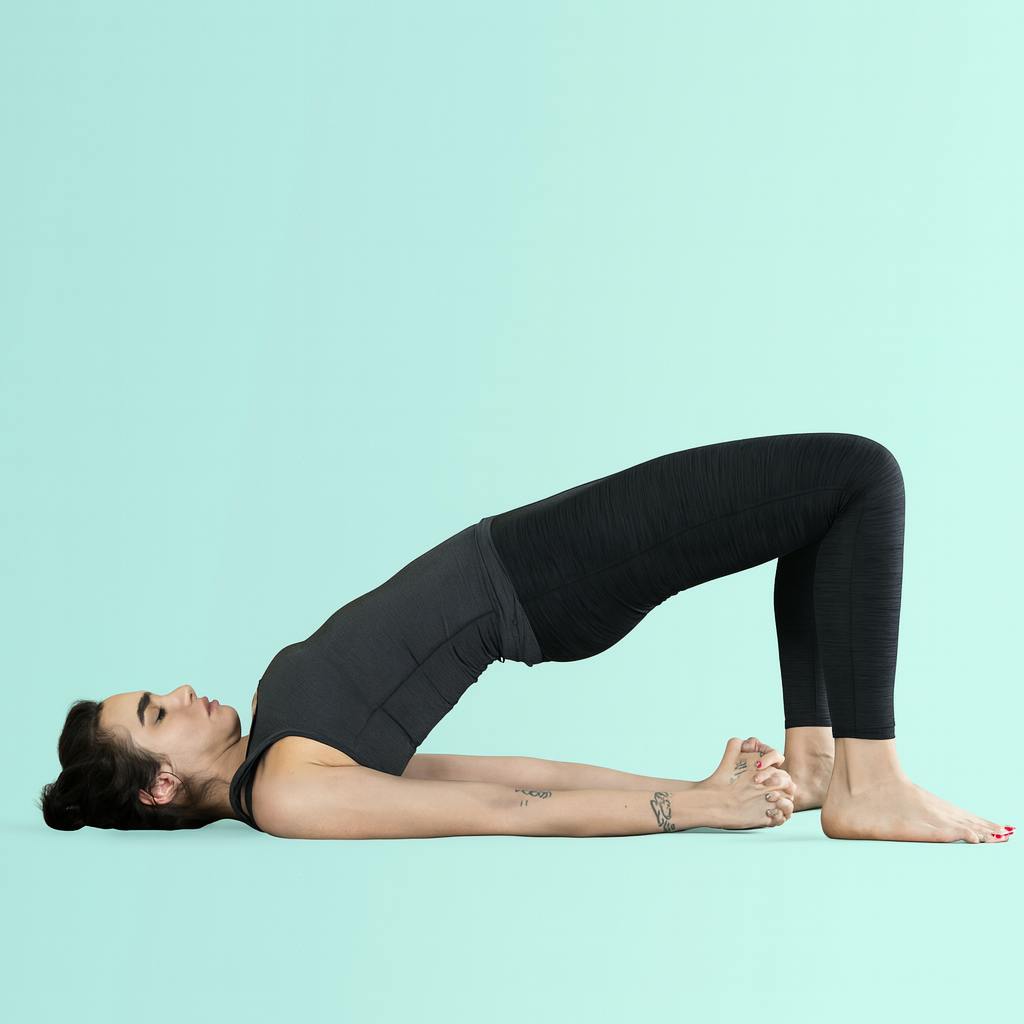
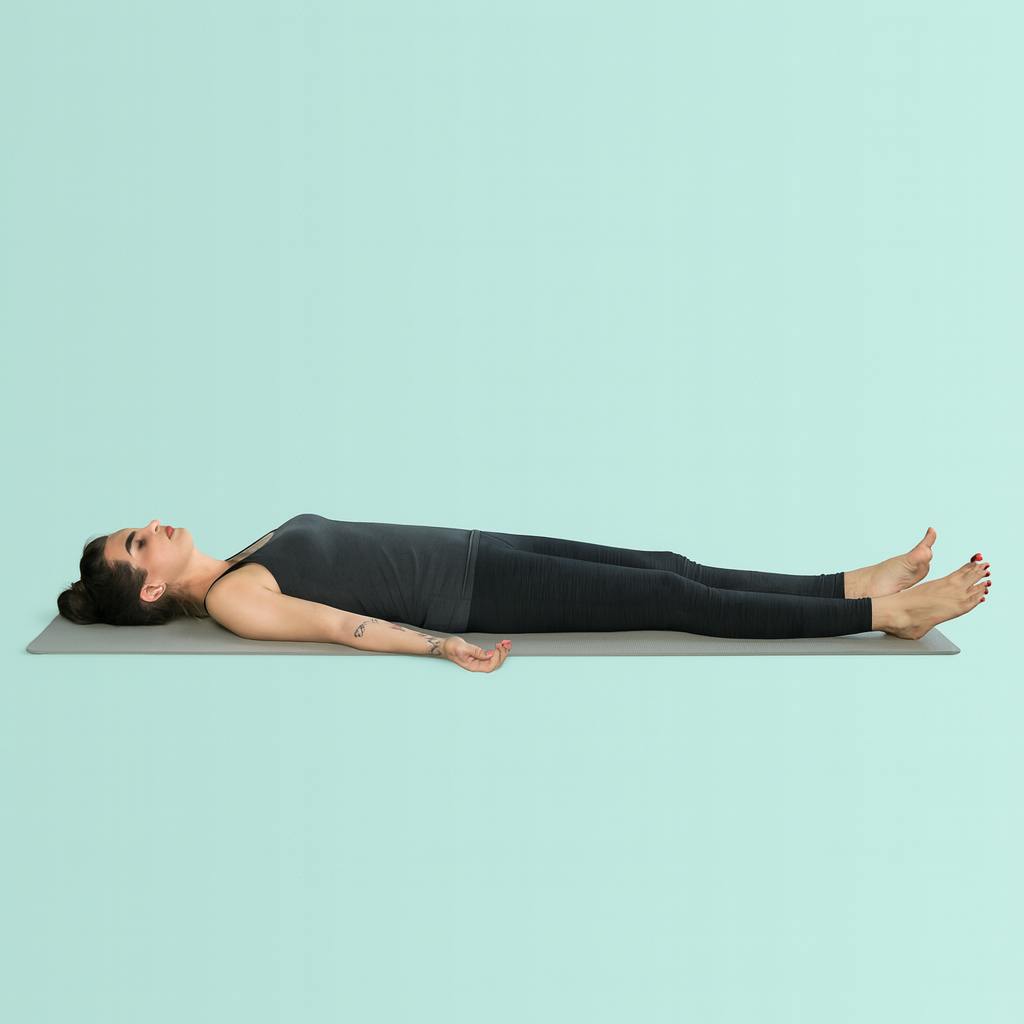
To practice Bridge Pose, lie on your back with your knees bent and feet flat on the mat, hip-width apart and positioned close to your sitting bones. Rest your arms alongside your body with palms facing down. Press firmly through your feet and lift your hips toward the ceiling, keeping your thighs parallel and knees tracking over your ankles. Roll your shoulders underneath you one at a time, and if comfortable, interlace your fingers beneath your back to open your chest further. Keep your neck neutral and avoid turning your head while in the pose. Breathe deeply and hold for five to ten breaths, feeling the opening across your chest and the gentle work in your legs and glutes. When ready to release, unclasp your hands, slowly lower your spine down one vertebra at a time, and rest for a moment before repeating or moving on.
Bridge Pose offers a wide range of physical and mental benefits that make it a valuable addition to any yoga practice. It strengthens the muscles of your back, glutes, and legs while opening your hip flexors and chest, which is especially helpful if you spend a lot of time sitting. Regular practice supports spine health by improving flexibility and mobility throughout the vertebrae, and it can help relieve tension in your lower back when performed with proper alignment. Beyond the physical gains, Bridge Pose activates the parasympathetic nervous system, which helps reduce stress, calm your mind, and promote relaxation. This gentle backbend also encourages deeper breathing, bringing more oxygen into your body and leaving you feeling refreshed and grounded.
Bridge Pose is generally accessible for most people and can be adapted to suit different levels of strength and flexibility. If you're new to the pose or have tight hips or shoulders, you can keep your lift lower and focus on engaging your legs rather than pushing for maximum height. For a gentler version, try placing a yoga block under your sacrum to create a supported bridge, which allows you to experience the benefits without as much muscular effort. You can also adjust your foot placement by bringing your feet slightly wider or closer together to find what feels best for your body. Remember to keep your neck still and avoid turning your head while in the pose to prevent discomfort. If you feel any sharp pain or pinching in your lower back or neck, ease out of the pose and consider working with a teacher to refine your alignment.
Bridge Pose is versatile and fits beautifully into different parts of your day depending on your needs. In the morning, it serves as an energizing warm-up that gently wakes up your spine and gets your blood flowing. After sitting for extended periods, practicing Bridge Pose helps counteract the tightness in your hips and chest while releasing tension in your lower back. It also works well as part of a flowing sequence, often paired with poses like Cat-Cow or placed before deeper backbends to prepare your body safely. In the evening, Bridge Pose can be part of a calming wind-down routine, helping you release the stress of the day and settle into a more relaxed state before bed. Whether you practice it on its own or weave it into a longer sequence, this pose adapts to support your body whenever you need it most.
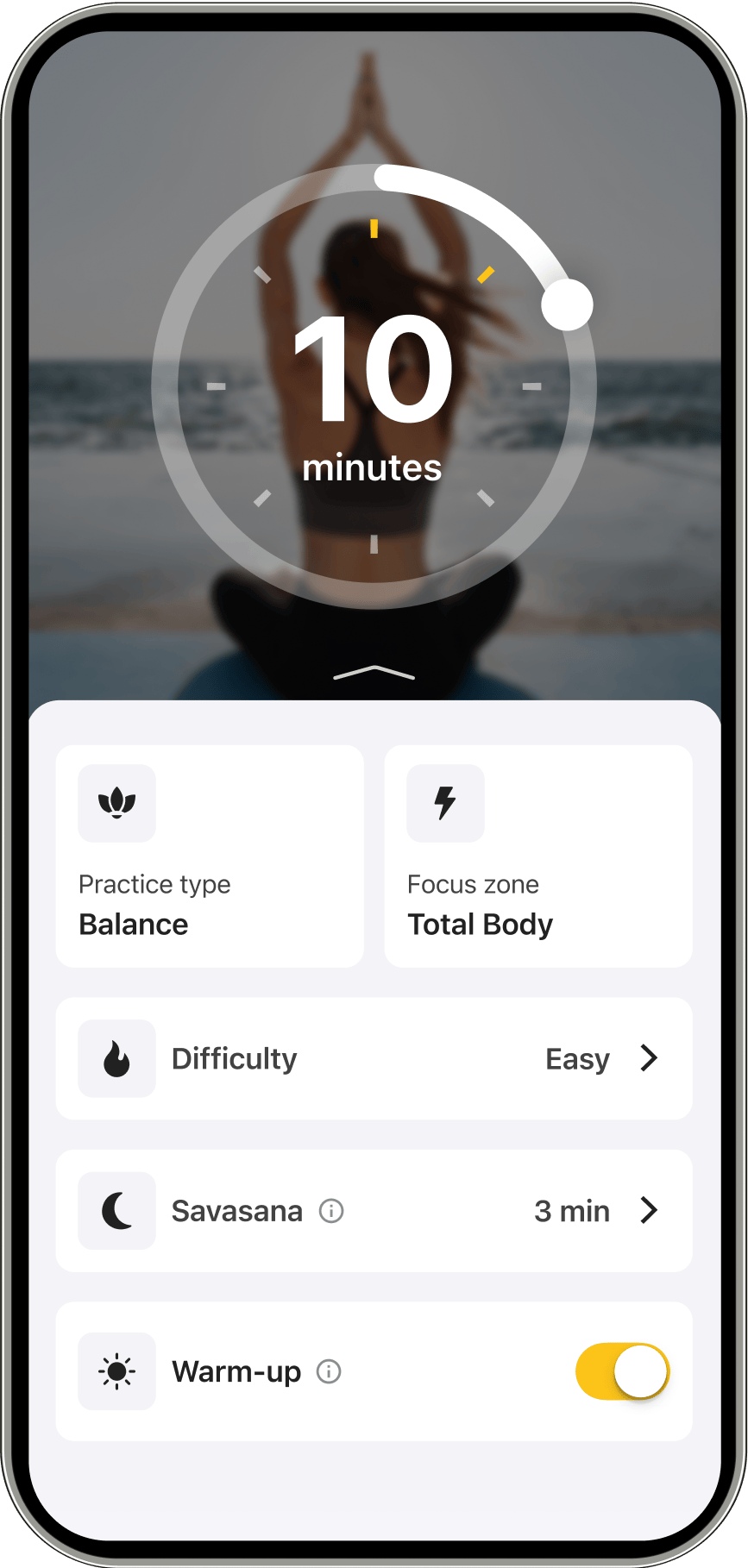
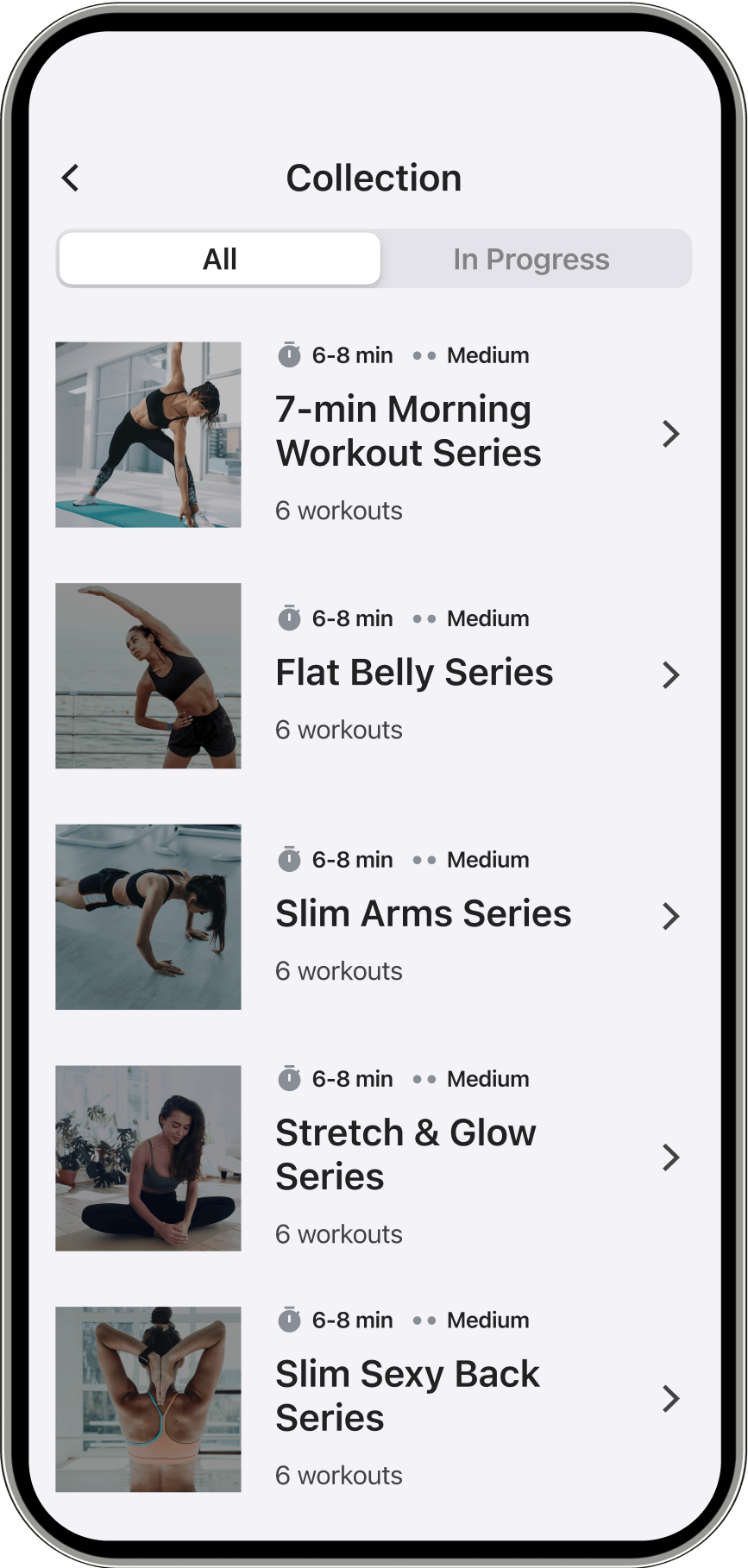
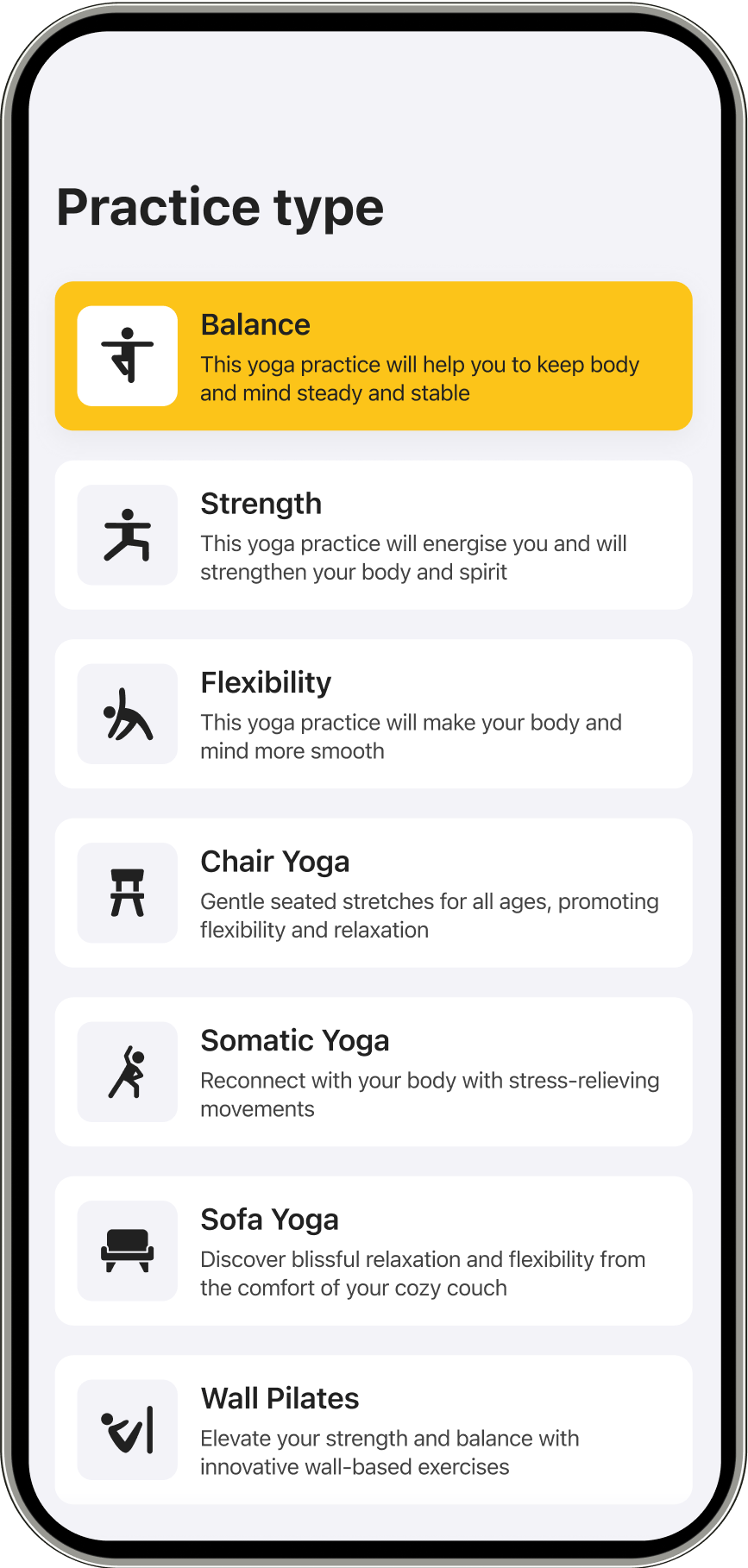
A yoga experience designed around your goals, energy, and lifestyle.

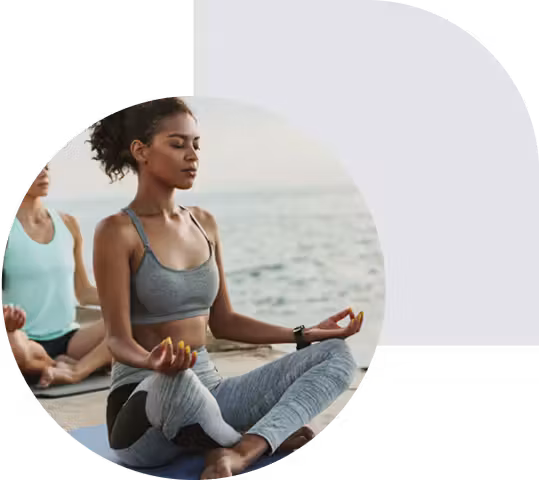
Yoga-Go helped me finally enjoy yoga without feeling judged.
At 55, I never thought I could do poses like this—thank you for making it simple.
The gentle flows fit into my busy day perfectly.