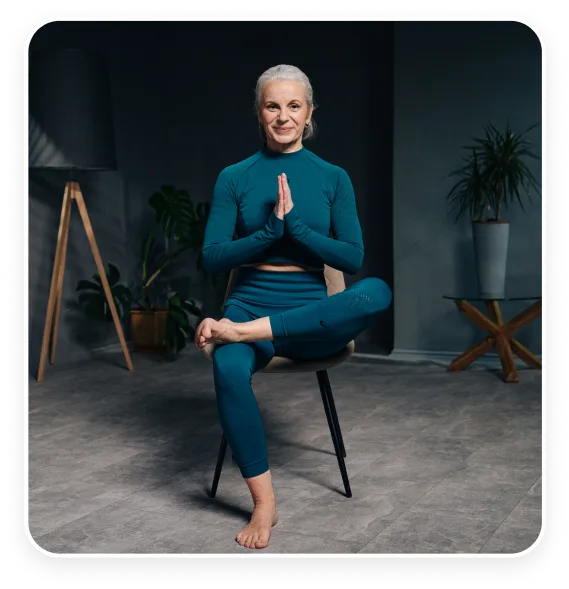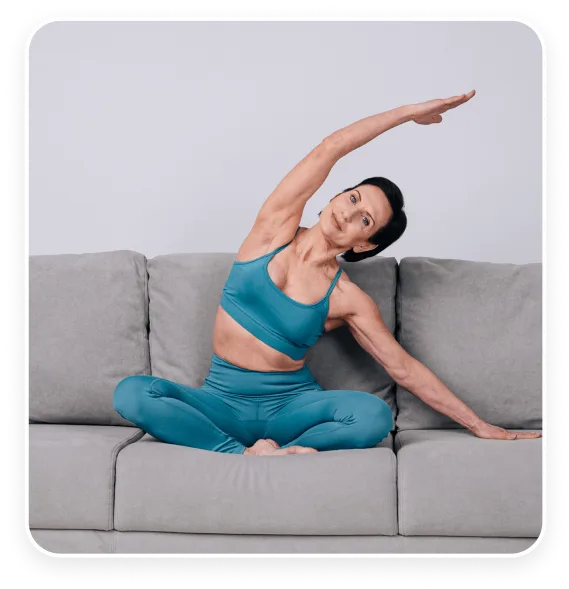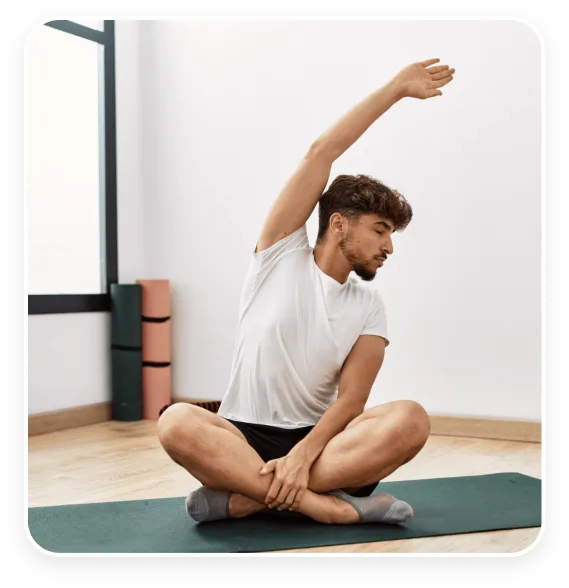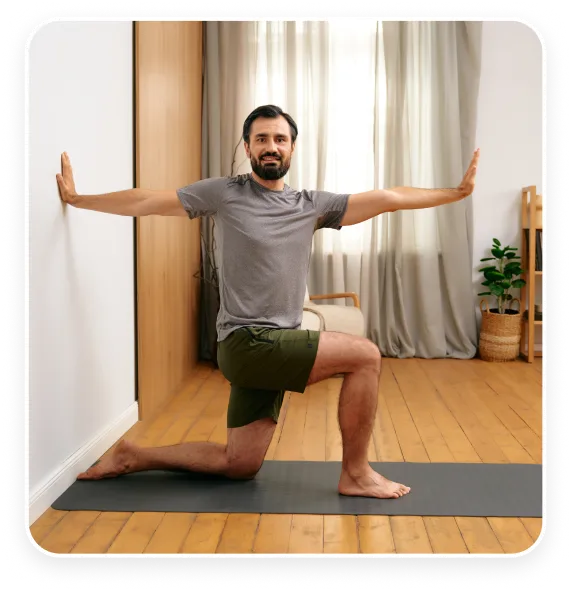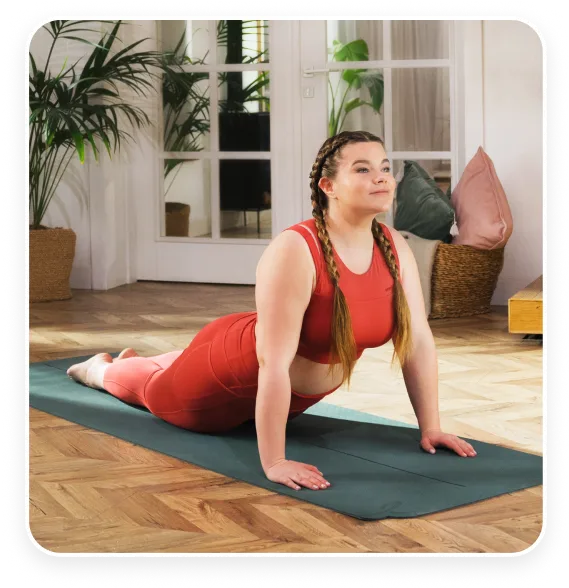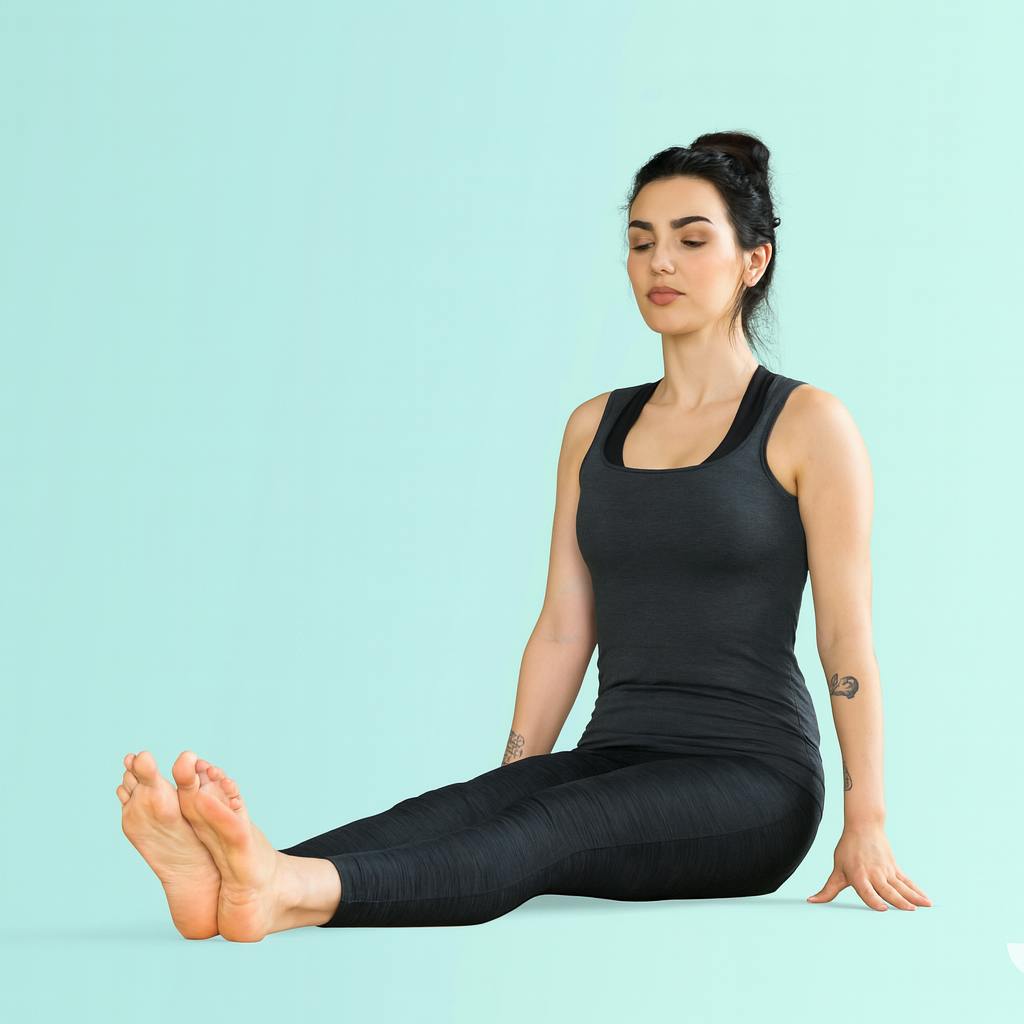
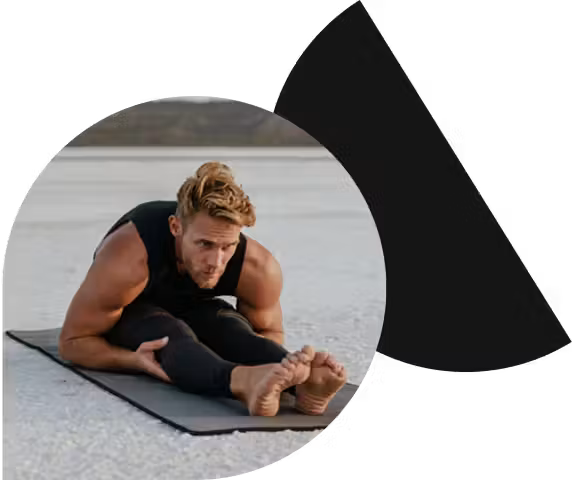
Start in Staff Pose (Dandasana) seated with legs extended and spine tall. Bend one knee and place that foot beside your hip.
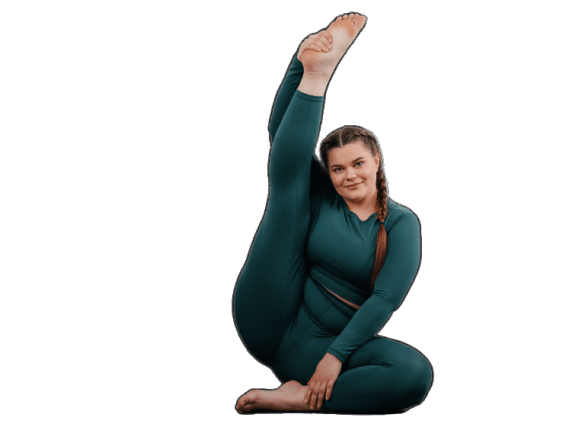
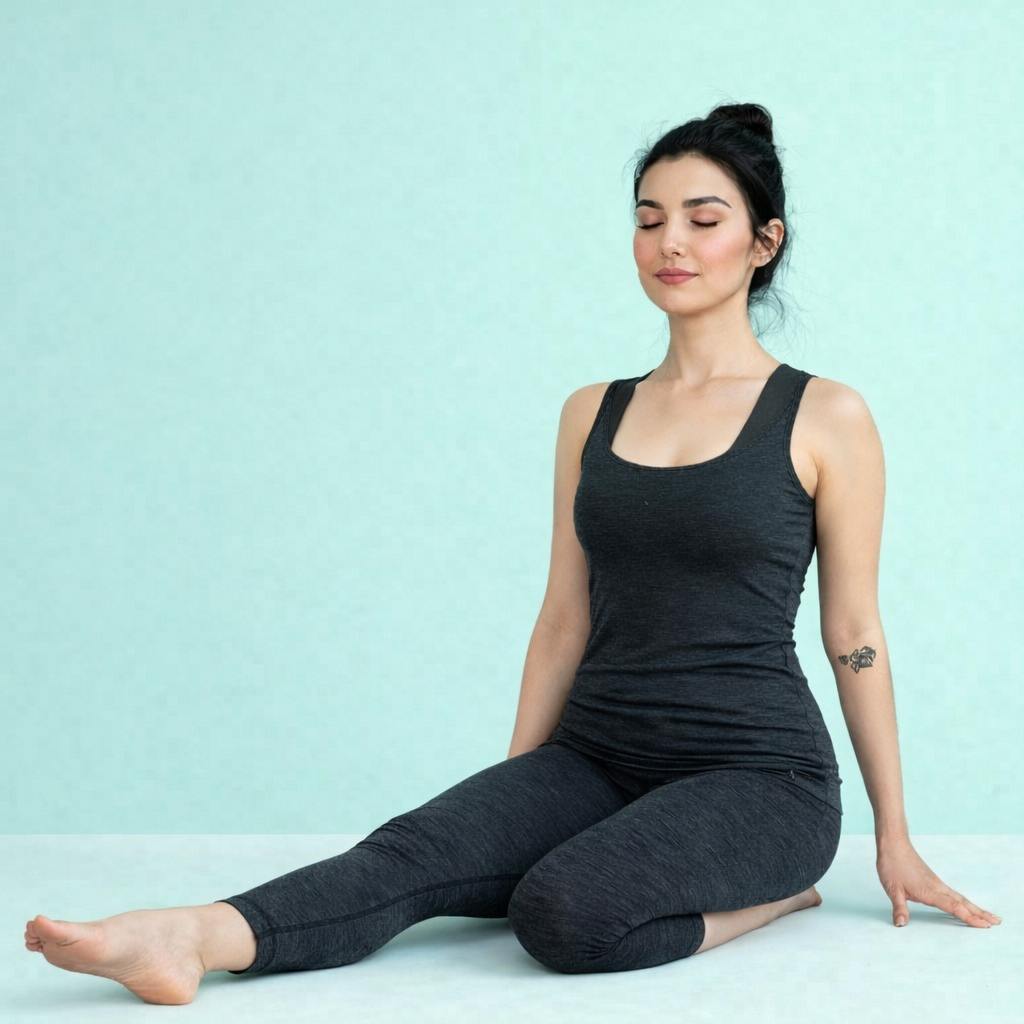
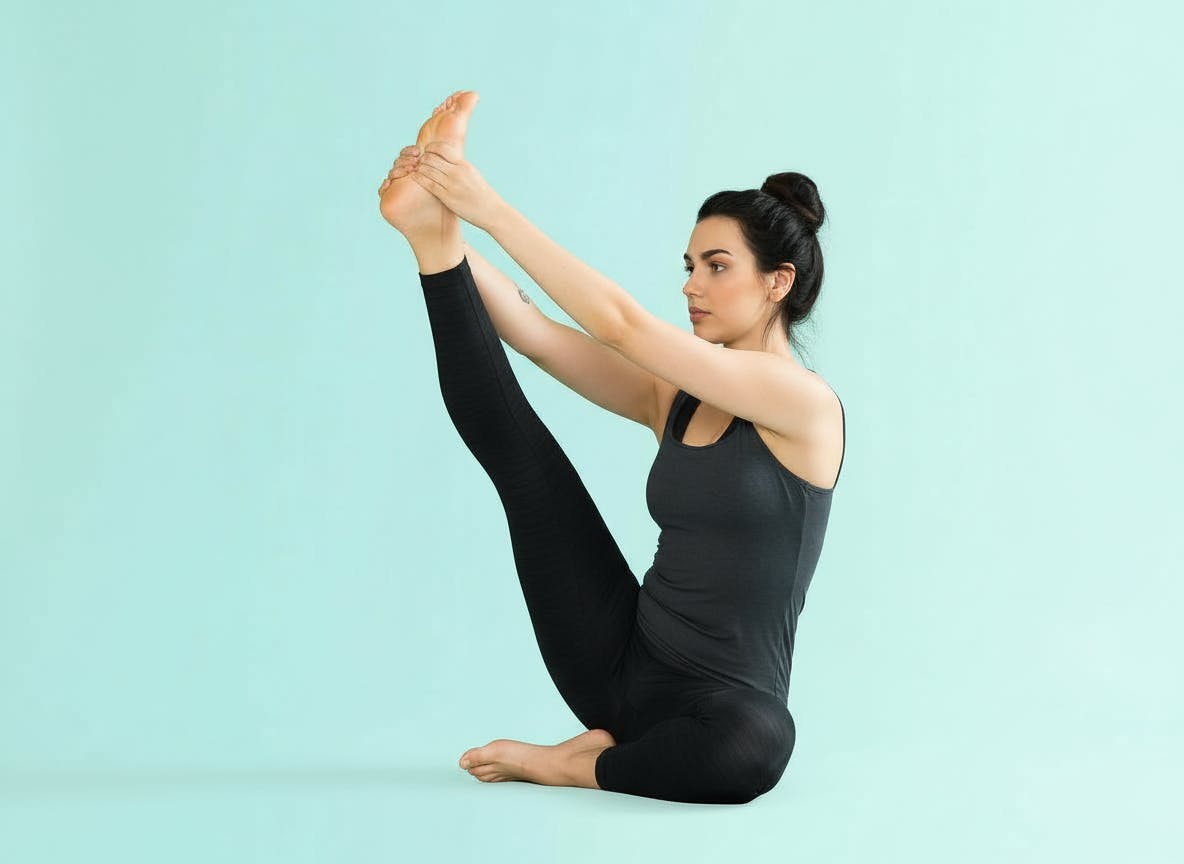
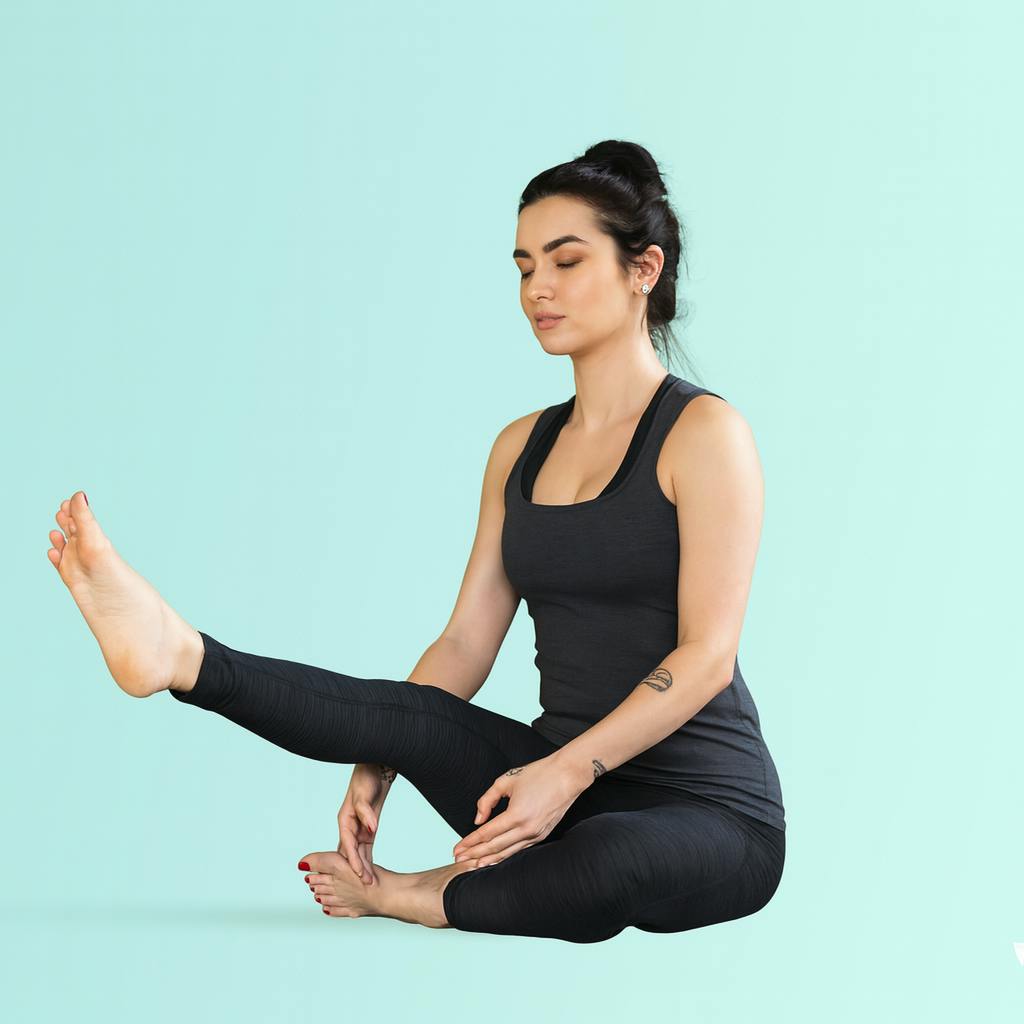
To practice Heron Pose for beginners, start by sitting on the floor with both legs extended in front of you. Bend your right leg and tuck the foot beside your right hip, similar to a kneeling position but seated. If this feels uncomfortable on your knee, place a folded blanket under your hip for support. Now bend your left knee and plant your left foot on the floor. Hold the sole of your left foot with both hands, and slowly begin to straighten your left leg, lifting it toward your chest and drawing it close to your torso. Keep your spine tall and your chest open. If you can't reach your foot comfortably, loop a yoga strap around the sole and hold the ends with both hands. Breathe deeply and hold for several breaths, then gently release and repeat on the other side. Even a bent-knee version offers wonderful benefits.
Heron Pose offers many benefits that make it a valuable addition to your yoga practice. Physically, it provides a deep stretch to the hamstrings and calf muscles while strengthening the muscles of the thighs and improving flexibility in the hips and knees. Regular practice can help improve your posture and release tightness in the legs caused by sitting or standing for long periods. The seated nature of the pose also gently stimulates the abdominal organs, which can aid digestion and support healthy circulation in the lower body. Beyond the physical benefits, Heron Pose encourages focus and patience, helping to calm the mind and reduce stress. It's a wonderful way to build awareness of your body's alignment and breathing patterns.
You might wonder if Heron Pose is hard, and the truth is that it can feel challenging, especially if you have tight hamstrings or limited flexibility in your hips and knees. However, it's a highly adaptable pose that can be modified to suit your current ability level. If straightening your raised leg feels too intense, keep a gentle bend in the knee and focus on sitting tall with an open chest. Using a yoga strap around the sole of your foot makes the pose much more accessible and allows you to work gradually toward greater extension. You can also place a cushion or folded blanket under your sitting hip for added comfort. With regular practice and patience, your flexibility will improve, and the pose will feel more natural. Heron Pose is suitable for all levels when approached mindfully.
People often ask when the best time is to practice Heron Pose, and the good news is that it fits well into many parts of your day. It's best practiced after a gentle warm-up to prepare your hamstrings and hips, so consider including it in the middle or toward the end of your yoga session. Heron Pose works beautifully as part of a seated sequence, flowing naturally after hip openers or forward folds. Because it requires focus and stillness, many people find it especially calming in the evening, when it can help release tension from the legs and lower body accumulated throughout the day. Whether you're winding down after work or deepening your flexibility practice, Heron Pose offers a peaceful, grounding experience that prepares your body and mind for rest.
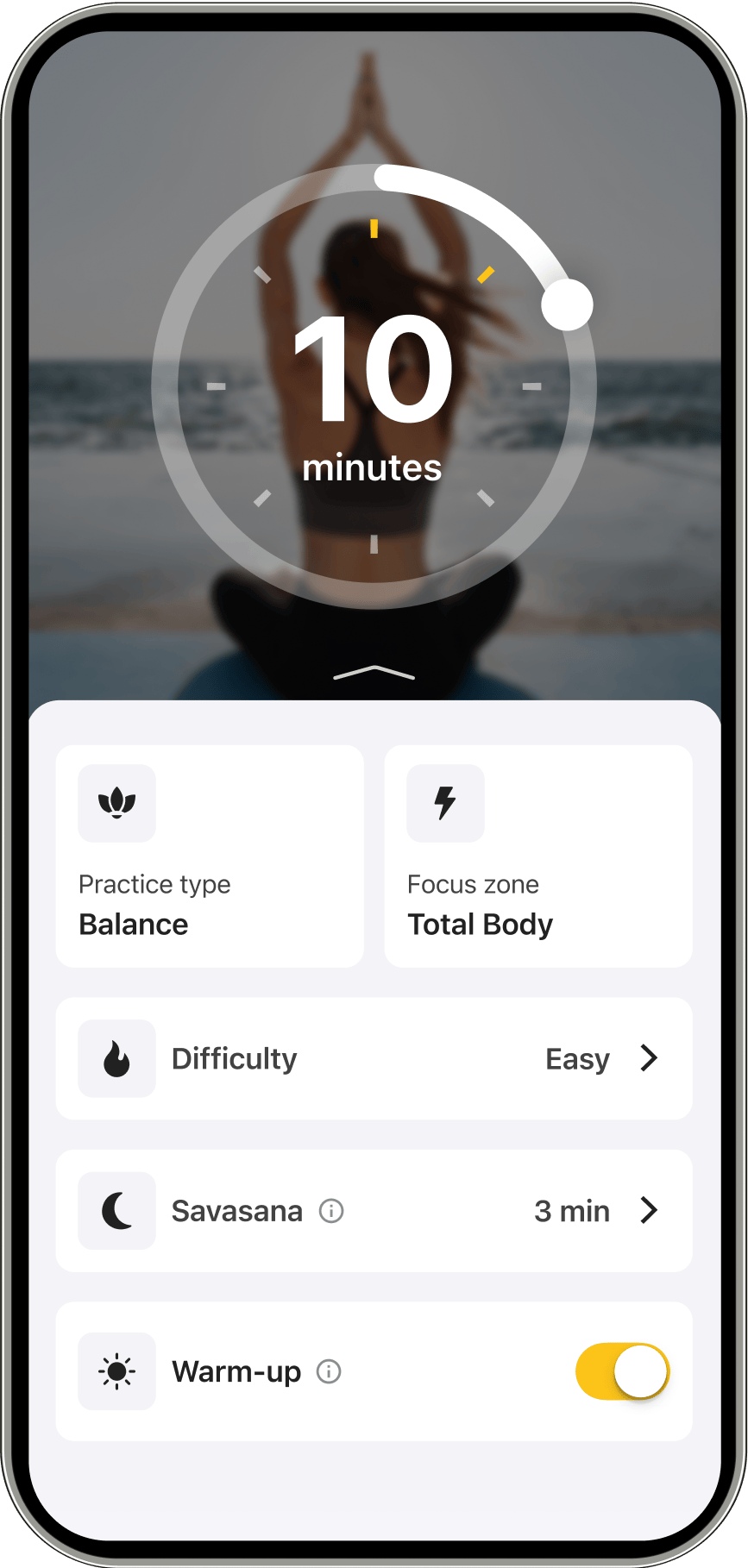
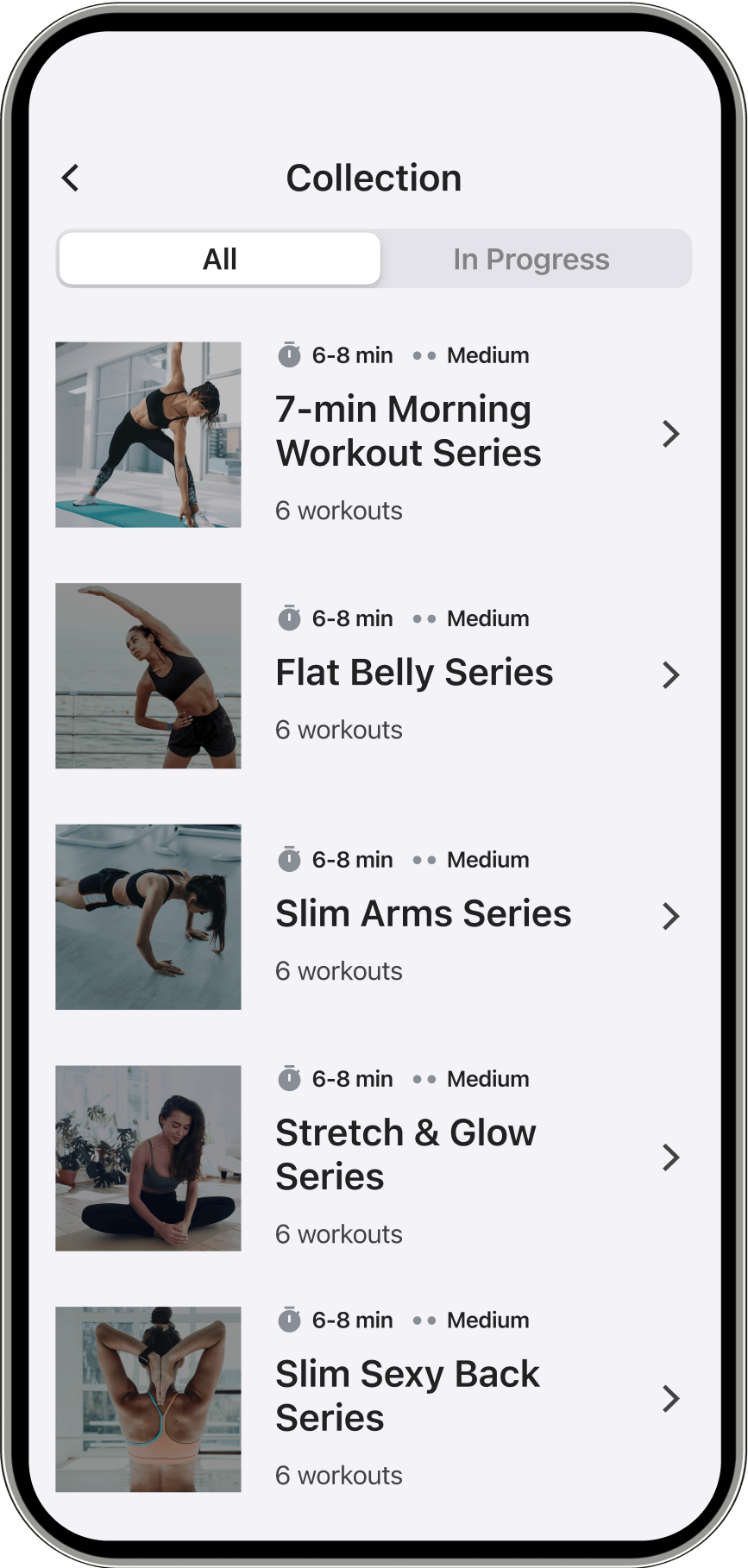
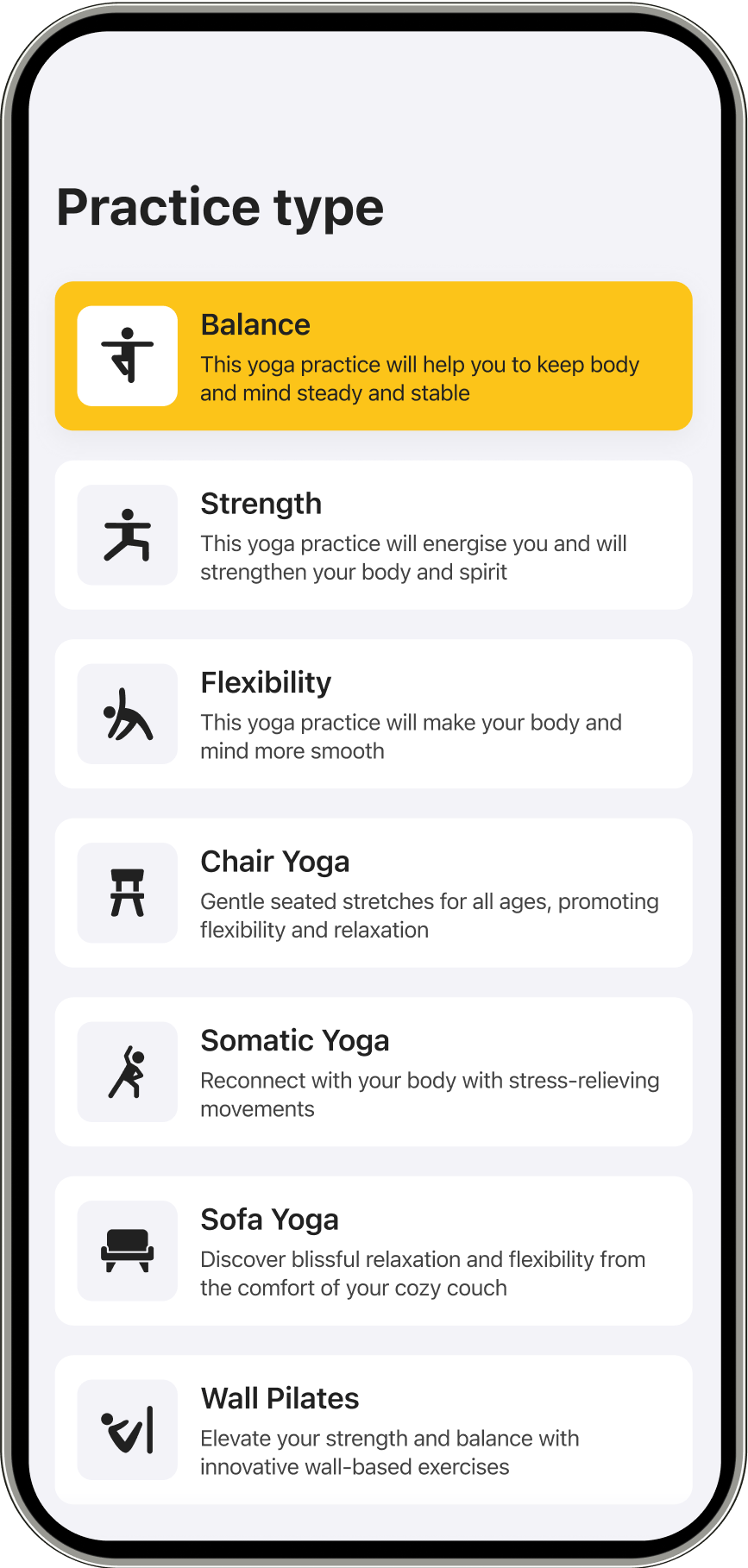
A yoga experience designed around your goals, energy, and lifestyle.
Yoga-Go helped me finally enjoy yoga without feeling judged.
At 55, I never thought I could do poses like this—thank you for making it simple.
The gentle flows fit into my busy day perfectly.