7 Days of Heart-Smart Eating: A Practical Meal Plan to Lower Cholesterol
If you’ve recently been told your cholesterol is high, you might feel unsure about what your meals should look like now. The good news is that improving cholesterol levels rarely requires extreme restriction. Let's look at a simple, practical meal plan!
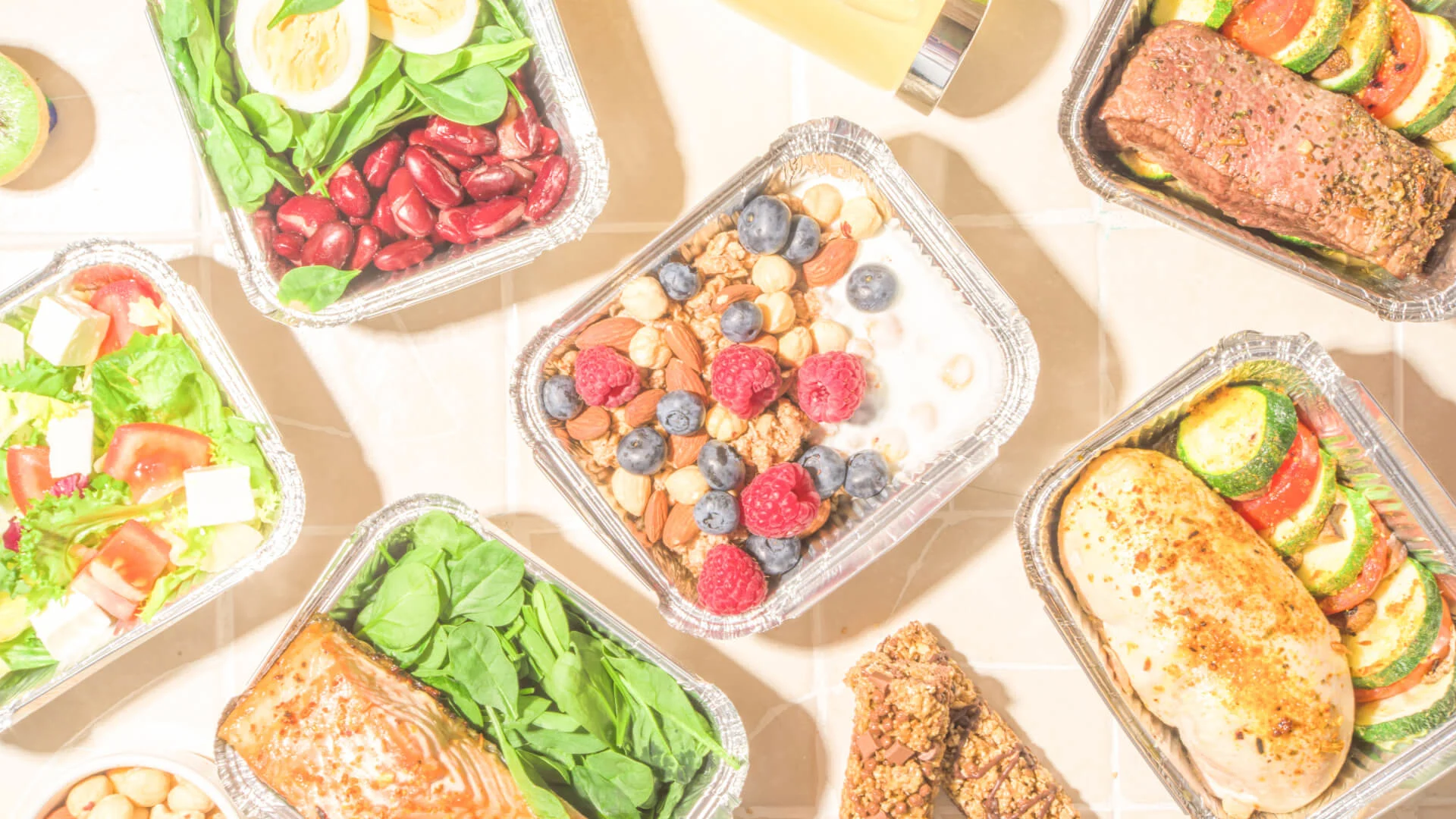
If you’ve recently been told your cholesterol is high, you might feel unsure about what your meals should look like now. The good news is that improving cholesterol levels rarely requires extreme restriction. In most cases, it comes down to shifting the overall pattern of your diet rather than eliminating entire food groups.
A heart-supportive, low-cholesterol eating plan focuses on increasing soluble fiber, emphasizing plant-based foods, incorporating omega-3-rich food sources like fish, and reducing saturated fat and ultra-processed products.
If you want to eat healthier to lower your cholesterol - you’re in the right place. We’ve put together a practical, realistic 7-day plan built around those principles.
7-Day Meal Plan to Lower Cholesterol
Portions are based on USDA FoodData Central entries , and nutrition values are approximate. This meal plan providesapproximately 1,450–1,600calories per day.Feel free to modify portions if you require more energy or by adding yogurt and/or fruit. You can also reduce portions of meals slightly if you require less.
Day 1
| Meal | Menu | Calories | Protein | Carbs | Fat |
| Breakfast | Rolled oats (½ cup dry) cooked with water, blueberries (½ cup), chia seeds (1 tbsp) | 340 | 10 g | 54 g | 11 g |
| Lunch | Lentil soup (1½ cups), mixed greens (2 cups), olive oil (1 tbsp) | 480 | 22 g | 62 g | 16 g |
| Dinner | Grilled salmon (4 oz), quinoa (1 cup cooked), roasted broccoli (1 cup), olive oil (1 tsp) | 620 | 40 g | 50 g | 24 g |
| Total | 1,440 | 72 g | 166 g | 51 g |
Add fruit or plain yogurt if additional calories are needed.
Day 2
| Meal | Menu | Calories | Protein | Carbs | Fat |
| Breakfast | Greek yogurt (1 cup, 2%), apple (1 medium), walnuts (1 tbsp) | 360 | 22 g | 38 g | 14 g |
| Lunch | Chickpeas (1 cup), brown rice (¾ cup cooked), roasted vegetables (1 cup), olive oil (1 tbsp) | 600 | 20 g | 80 g | 20 g |
| Dinner | Baked cod (4 oz), sweet potato (1 medium), green beans (1 cup) | 500 | 35 g | 45 g | 10 g |
| Total | 1,460 | 77 g | 163 g | 44 g |
Day 3
| Meal | Menu | Calories | Protein | Carbs | Fat |
| Breakfast | Whole grain toast (2 slices), avocado (½ medium), tomato | 410 | 11 g | 48 g | 20 g |
| Lunch | Black beans (1 cup), mixed vegetables (1 cup), olive oil (1 tbsp) | 520 | 22 g | 65 g | 15 g |
| Dinner | Firm tofu (5 oz), brown rice (1 cup cooked), stir-fried vegetables (1 cup), olive oil (1 tsp) | 560 | 30 g | 60 g | 18 g |
| Total | 1,490 | 63 g | 173 g | 53 g |
Day 4
| Meal | Menu | Calories | Protein | Carbs | Fat |
| Breakfast | Oatmeal (½ cup dry), almond butter (1 tbsp), raspberries (½ cup) | 400 | 14 g | 55 g | 16 g |
| Lunch | Barley and vegetable soup (1½ cups), side salad with olive oil (1 tbsp) | 520 | 18 g | 70 g | 14 g |
| Dinner | Grilled chicken breast (4 oz), farro (1 cup cooked), spinach (1 cup), olive oil (1 tsp) | 637 | 42 g | 55 g | 19 g |
| Total | 1,557 | 74 g | 180 g | 49 g |
Day 5
| Meal | Menu | Calories | Protein | Carbs | Fat |
| Breakfast | Smoothie: soy milk (1 cup), berries (1 cup), spinach (1 cup), flaxseed (1 tbsp), plant protein powder (1 scoop) | 380 | 28 g | 40 g | 12 g |
| Lunch | Whole wheat tortilla (8-inch), hummus (3 tbsp), mixed vegetables (1 cup), side salad + olive oil (1 tsp) | 505 | 18 g | 70 g | 15 g |
| Dinner | Baked salmon (4 oz), brown rice (1 cup), asparagus (1 cup) | 600 | 40 g | 55 g | 20 g |
| Total | 1,485 | 86 g | 165 g | 47 g |
Day 6
| Meal | Menu | Calories | Protein | Carbs | Fat |
| Breakfast | Overnight oats (½ cup oats, 1 tbsp chia, 1 cup almond milk) | 380 | 12 g | 55 g | 14 g |
| Lunch | Lentil curry (1½ cups), brown rice (½ cup) | 560 | 22 g | 70 g | 14 g |
| Dinner | Grilled shrimp (4 oz), quinoa (1 cup cooked), roasted vegetables (1 cup), 2 tsp olive oil | 551 | 38 g | 50 g | 11 g |
| Total | 1,491 | 72 g | 175 g | 39 g |
Day 7
| Meal | Menu | Calories | Protein | Carbs | Fat |
| Breakfast | Whole grain cereal (1 cup), soy milk (1 cup), banana (1 medium) | 400 | 15 g | 65 g | 10 g |
| Lunch | White beans (1 cup), olive oil (1 tbsp), whole grain toast (1 slice) | 560 | 22 g | 65 g | 18 g |
| Dinner | Baked trout (4 oz), sweet potato (1 medium), steamed broccoli (1 cup) | 558 | 27g | 50 g | 18 g |
| Total | 1,518 | 64 g | 180 g | 46 g |
Why This Plan Supports Healthy Cholesterol
Rich in Soluble Fiber
One reason this plan works is it consistently emphasizes soluble fiber from oats, beans, lentils, barley, and vegetables. Soluble fiber forms a gel-like substance in the digestive tract that binds bile acids. Because bile acids are made from cholesterol in the liver, the body pulls cholesterol from the bloodstream to produce more, which can help lower LDL levels (the “bad” cholesterol) over time.
Adding Omega-3 Fats
It includes fatty fish several times per week for omega-3 fats and replaces butter (high in saturated fat) with olive oil as the primary fat source. While omega-3 fats from fatty fish such as salmon and trout do not directly lower LDL dramatically, they are associated with reduced triglycerides and improved overall cardiovascular markers.
Replacing Saturated Fats
Replacing saturated fats (like butter and fatty cuts of red meat) with unsaturated fats (like olive oil, nuts, and seeds) is especially important for improving cholesterol levels. Data from the American Heart Association shows swapping saturated fat for unsaturated fat can reduce LDL cholesterol, partly by influencing how the liver processes and clears cholesterol from the blood.
Reducing Processed Foods
Minimizing heavily processed foods such as potato chips, packaged baked goods, and other sweets also helps reduce excess saturated fat, added sugars, and refined carbohydrates, all of which can negatively affect cholesterol levels when consumed in excess. Replacing these packaged snacks with whole food versions can add satisfaction, flavor, and boost health.
No single meal determines your cholesterol level. But consistently choosing fiber-rich foods and healthier fats shifts your overall dietary pattern, and that long-term pattern is what meaningfully influences blood lipid (i.e., fats like cholesterol and triglycerides) levels.
The Bottom Line
Lowering cholesterol is not about perfection or restriction. It is about shifting the overall pattern of your diet toward more fiber, more plants, healthier fats, and fewer saturated fats. When combined with regular physical activity, these changes support heart health in a practical and sustainable way.
Always consult a qualified healthcare professional before making major dietary adjustments, particularly if you are taking cholesterol-lowering medication.
Disclaimer
This article is intended for general informational purposes only and does not address individual circumstances. It is not a substitute for professional advice or help and should not be relied on to make decisions of any kind. Any action you take upon the information presented in this article is strictly at your own risk and responsibility!

Wall Pilates for Flat Belly: At-Home Routine for a Strong Core

Yoga For Belly Fat: 10 Simple Poses & Tips to Boost Your Results

9 Weight-Loss Yoga Poses [Video, Pictures & Instructions]

Mediterranean Diet Oatmeal – Nutrient-Rich Combo For Your Mornings

How Often Should You Do Yoga? Weight Loss, Flexibility, & More
